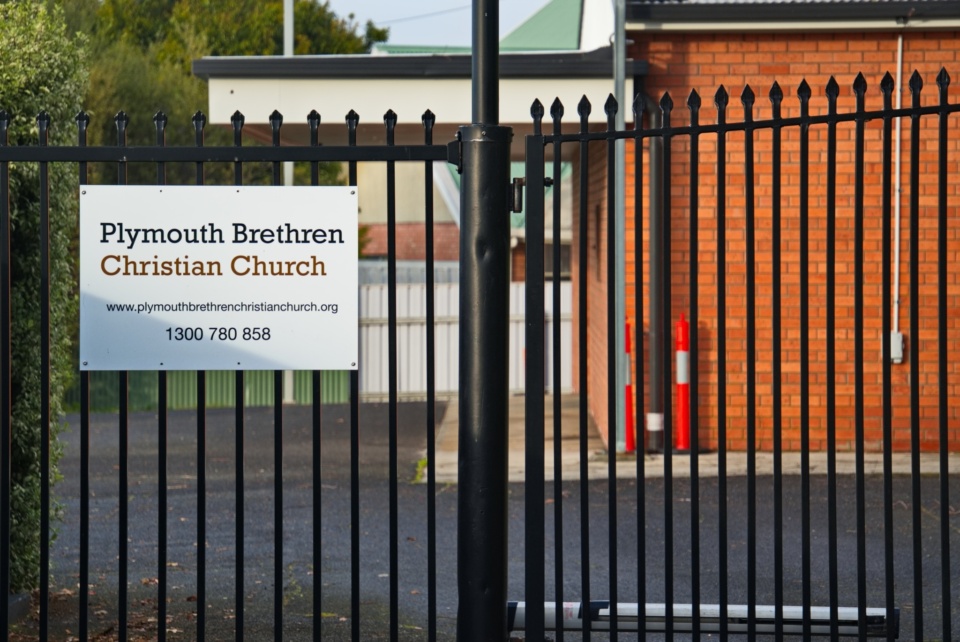
Brethren church’s actions don’t seem charitable
Posted on 17 Jun 2026
If charges are proven that members of the Brethren movement took part in partisan political…
Posted on 19 Sep 2023
By Greg Thom, journalist, Institute of Community Directors Australia

The Albanese government has acted on its election promise to create a “stronger more diverse and independent community sector” by calling for submissions to reform government grant funding.
Organisations and individuals have until Tuesday, November 7 to submit feedback on innovative approaches to how government grants are awarded and managed.
The Department of Social Services (DSS) has released a 39-page issues paper in support of the submissions process.
The government said the issues paper aimed to reflect what the department had already heard from community sector organisations about current challenges facing the sector and what Canberra could do to help.
The department is seeking feedback on a range of questions in five key focus areas covered in the issues paper:

Some of the options on the table for consideration include more collaboration and co-design between government and community organisations, cutting red tape, reducing administration costs and duplication of services and support for pilot projects to encourage communities to explore new strategies.
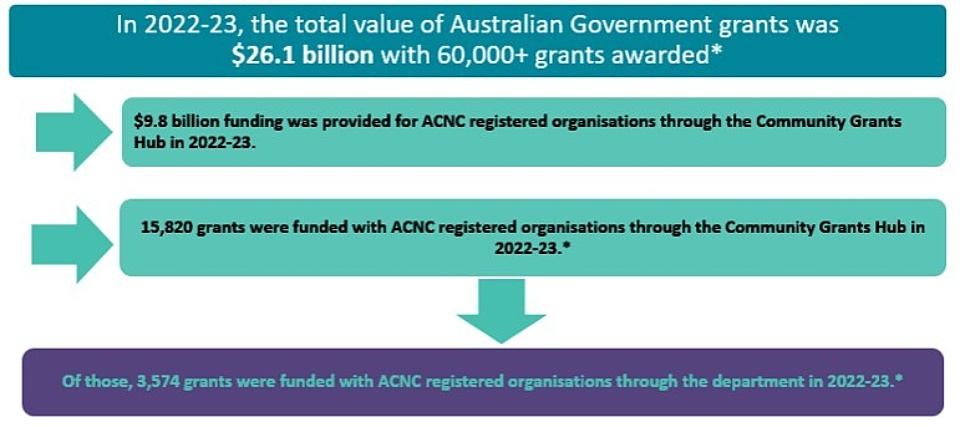
More than 60,000 federal government grants totalling $26.1 billion were were awarded to organisations across the nation in 2022-2023 providing support to millions of disadvantaged Australians.
DSS said it wanted to hear from an array of voices, including academics, advocacy organisations, providers of community services, those who use those services and people unable to gain access.
The department said responses to the issues paper would help it inform the government of what changes could be made, particularly to grants policy, practices and processes and how they might be implemented.
The issues paper acknowledged the frustration expressed by community organisations around the limitations of current grants funding and processes in allowing them to meet growing and changing community needs.
A 2022 survey conducted by the Australian Council of Social Services (ACOSS) found just 9% of community sector leaders agreed that funding covered the full cost of service delivery, down from 20% the previous year.
“The real challenge is achieving sustainable change in the way governments treat charities and NFPs."
In a joint statement signed by several MPs including now Charities Minister Andrew Leigh released on the eve of last year’s federal election, Labor made a string of commitments, including restoring the freedom of community sector organisations to advocate freely.
The ALP also promised that grants would reflect the real cost of delivering quality services; pledged to end the practice of competing on wages; and promised that grant funding would flow to a greater diversity of not-for-profits, particularly trusted community organisations with strong local links.
The issues paper acknowledged that covid, natural disasters and the rising cost of living, had all had a significant impact on the sectors ability to support Australians in need and enhance the wellbeing of the broader community.
In the October budget, Canberra announced an extra $560 million over four years from 2022-2023 designed to support community sector organisations.
Community Council for Australia CEO David Crosbie welcomed the latest development to strengthen the community sector.
“It is a positive step forward that the Department of Social Services is reviewing the way it contracts and engages with charities and the broader not-for-profit sector,” he said.
Mr Crosbie said it was also good that the Community Sector Advisory Group, comprising 27 NFPs contracted by the department, had had significant input into the discussion paper and the consultation to date.
He said ideally, though, such a review should draw on the outcome of previous reviews rather than “reinvent the wheel.
“The key issue for the sector is not so much knowing where the problems are, or getting sets of words we can all agree to around the desired relationship between government departments and NFPs,” said Mr Crosbie.
“The real challenge is achieving sustainable change in the way governments treat charities and NFPs.
“We can only hope this latest review will move us closer to action and not just repeat past failures to follow through on much needed reforms.”
Written submissions must be lodged by 5pm AEDT on 7 November 2023 AEDT.
A stronger, more diverse and independent community sector
Posted on 17 Jun 2026
If charges are proven that members of the Brethren movement took part in partisan political…

Posted on 17 Jun 2026
NFPs and for purpose organisations need to be aware of the need to verify their “sender ID” from…
Posted on 17 Jun 2026
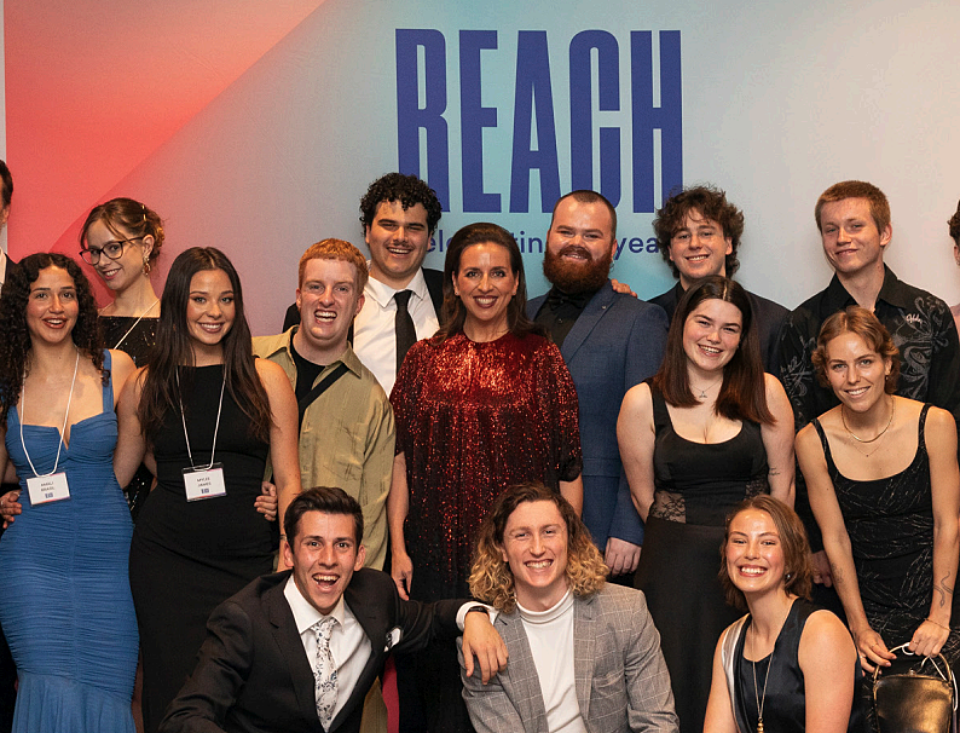
The merger of two leading youth mental health organisations offers a partnership model that could…
Posted on 17 Jun 2026
The pay cheques of charity CEOs rose significantly in the past year, according to the 2026 Pro Bono…

Posted on 17 Jun 2026
Francis Owusu is the founder of Kulture Break, a charity that helps young people build confidence,…

Posted on 10 Jun 2026
There’s a line of thought about AI in the not-for-profit sector that goes something like this: “We…

Posted on 10 Jun 2026
ICDA training lead Nina Laitala examines the governance issues facing Australian not-for-profits.

Posted on 10 Jun 2026
An AI assistant designed with input from the frontline care workers who use it is saving staff…

Posted on 10 Jun 2026
The not-for-profit sector's greatest asset in the age of artificial intelligence is its ability to…

Posted on 10 Jun 2026
Australia’s leading drug and alcohol information provider has used AI to transform the way it…

Posted on 10 Jun 2026
A survey of directors across hundreds of boards in Australia and New Zealand and beyond has found…

Posted on 10 Jun 2026
Sabine Bird has shaped her career around a small outback town most Australians couldn't find on a…